My Chest
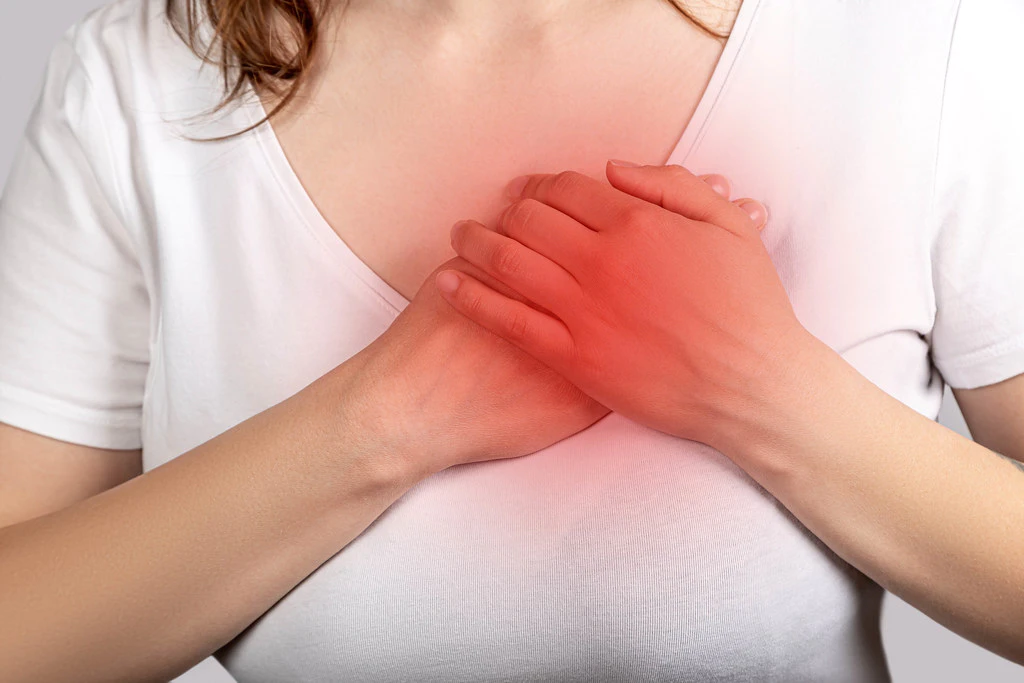
Understanding Chest Pain and Injuries
Chest pain is not always related to the heart—musculoskeletal causes are common. The chest wall includes ribs, muscles, joints, and connective tissues that allow breathing, arm movements, and trunk stability. Injury or strain in this area can mimic more serious problems, making thorough assessment essential.
Common Chest Conditions We Treat
Costochondritis – Inflammation of the cartilage where ribs join the breastbone, causing sharp or aching chest pain.
Muscle Strains (Pectoral Strains) – Common in weightlifters and athletes, resulting in pain across the front of the chest or armpit.
Rib Injuries – Bruising or minor fractures can cause localized pain and difficulty breathing deeply.
Postural Pain – Rounded shoulders and prolonged sitting can cause chest tightness and discomfort.
Myofascial Trigger Points – Tight chest muscles referring pain into the shoulder or arm.
How We Can Help Your Chest
● Physiotherapy – Specialized hip assessment and manual therapy techniques
● Exercise Therapy – Progressive strengthening and flexibility programs for hip rehabilitation
● Sports Massage – Deep tissue work to address muscle imbalances and restrictions
● Electrotherapy – Pain relief and muscle stimulation techniques
● Acupuncture – Traditional Chinese medicine technique using fine needles to reduce pain and promote healing
● Cupping Therapy – Traditional technique to remove waste/toxins, improve blood flow and reduce pain & muscle tension
● Shockwave Therapy – Cutting-edge, non-invasive treatment using acoustic shockwaves to stimulate and trigger healing, whilst reducing chronic pain
Tips for a Healthy Chest
Maintain upright posture when sitting and standing
Stretch chest muscles regularly if you work at a desk
Use proper form when weightlifting
Breathe deeply to maintain rib mobility
Prevention Strategies
Avoid hunching or prolonged slouching
Strengthen both chest and upper back muscles for balance
Progress gym loads carefully
Use protective equipment in contact sports
When to Seek Help
Severe or unexplained chest pain (rule out cardiac causes first)
Pain that persists with movement or breathing
Difficulty lifting the arm due to chest pain
Swelling, bruising, or deformity following trauma
Join Our Newsletter for Guides and Updates
By submitting this form, you are consenting to receive marketing emails from: . You can revoke your consent to receive emails at any time by using the SafeUnsubscribe® link, found at the bottom of every email. Emails are serviced by Constant Contact